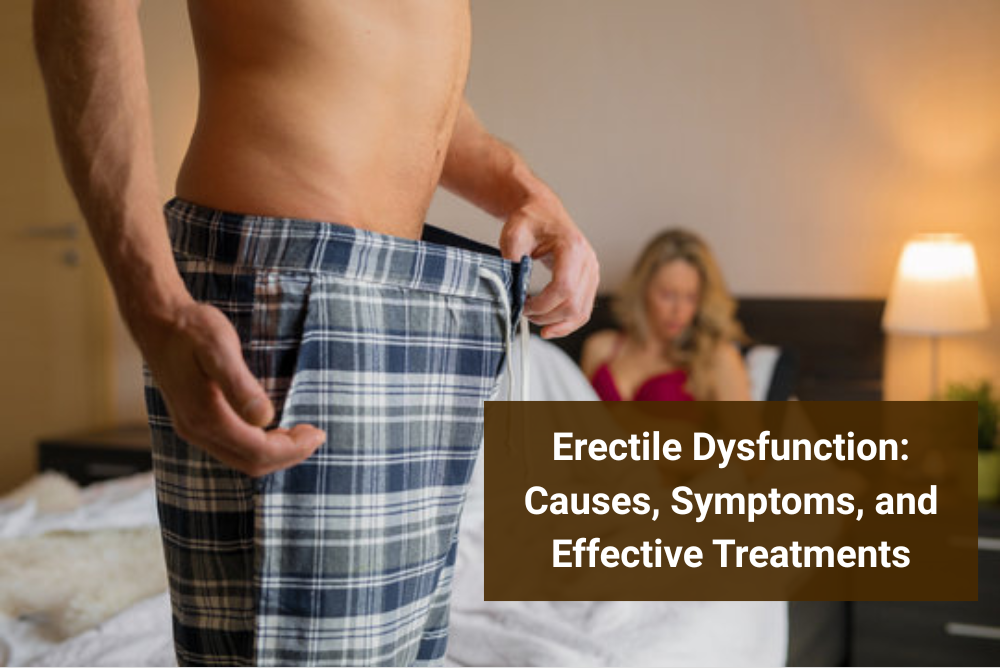

Erectile Dysfunction (ED) is more than just a physical condition—it can impact emotional well-being, relationships, and overall quality of life. Commonly referred to as “impotence,” ED is the persistent inability to achieve or maintain an erection firm enough for satisfactory sexual performance. While it’s a common issue—especially as men age—it is not an inevitable part of aging and is often treatable.
Erectile dysfunction can occur occasionally for many men, especially under stress or after consuming alcohol. However, when it becomes a regular issue, it may signal a more serious underlying health condition that needs medical attention. The good news is, understanding ED is the first step toward reclaiming control over one’s health and relationships.
ED can be classified into different types—psychogenic (caused by psychological factors), organic (due to physical or medical reasons), or mixed (a combination of both). Regardless of the cause, the impact on a man’s confidence, self-esteem, and mental health can be significant.
By learning about ED, men and their partners can take proactive steps to address the condition—whether it’s through lifestyle changes, medication, or therapy. The conversation around erectile dysfunction is becoming more open, and seeking help is no longer taboo.
Erectile dysfunction (ED) is a common yet sensitive condition that affects a man’s ability to achieve or maintain an erection sufficient for sexual intercourse. While it becomes more common with age, it’s not an inevitable part of aging — and understanding its root causes can help lead to effective treatment. ED often results from a complex interplay of physical, psychological, and lifestyle factors. Below, we break down the major causes.
These are the most common and often involve medical conditions that impair blood flow, nerve signals, or hormone levels.
Mental health plays a significant role in sexual function. Psychological causes can either trigger ED or worsen an existing issue.
Your everyday habits can greatly impact sexual health.
Understanding the root causes of erectile dysfunction is critical for determining the right course of treatment. Sometimes, addressing an underlying condition like diabetes or making healthier lifestyle choices can significantly improve symptoms.
Erectile dysfunction (ED) is more than just the occasional difficulty in achieving an erection. When it becomes persistent, it may signal an underlying health issue that needs attention. Recognizing the early symptoms can help you take timely action, seek treatment, and improve your overall well-being. Let’s explore the most common signs and symptoms of erectile dysfunction.
The most obvious symptom of ED is trouble getting an erection — even with sexual stimulation. If this occurs repeatedly, it may point to a problem with blood flow, nerves, or psychological factors affecting arousal.
Being able to start an erection but not keep it firm enough for sexual activity is another common sign. This may result in incomplete or unsatisfying intercourse and can contribute to performance anxiety over time.
A noticeable decrease in sexual interest may accompany ED. This could be caused by hormonal imbalances (like low testosterone), psychological conditions such as depression, or relationship issues.
Men with ED often experience stress or anxiety related to sexual performance. This emotional burden can become a cycle — the more anxious you feel, the more likely ED is to occur again.
Some individuals with ED may have difficulty reaching orgasm, even with adequate stimulation. This may be linked to nerve damage, psychological distress, or medication side effects.
Ongoing ED can affect a man’s confidence and lead to feelings of inadequacy or frustration. This emotional stress can worsen the condition if left unaddressed.
Recognizing ED as a medical condition rather than a personal failing is essential. Open conversations with partners and doctors can lead to effective solutions and reduce the emotional burden associated with the condition.
Diagnosis of erectile dysfunction starts with a detailed medical and sexual history. Healthcare providers may ask questions about the frequency, duration, and severity of the issue, along with lifestyle habits, medications, and any psychological concerns.
A physical exam can help identify underlying conditions like hormonal imbalances, blood pressure issues, or nerve damage. Blood and urine tests may be ordered to check for diabetes, low testosterone, high cholesterol, or kidney problems. In some cases, a nocturnal penile tumescence (NPT) test might be used to evaluate whether a man is having normal erections during sleep.
Additional diagnostic tools such as ultrasound imaging can assess blood flow to the penis. Psychological evaluation may also be recommended if mental health factors are suspected to contribute to ED.
Early diagnosis is key to effective treatment. Many men delay seeking help due to embarrassment, but a timely evaluation can uncover treatable causes and help restore both sexual function and confidence.
The good news about ED is that it’s highly treatable. Treatment options vary depending on the underlying cause and can range from lifestyle changes and counseling to medications and surgical procedures.
The most commonly prescribed treatment for ED is oral phosphodiesterase type 5 (PDE5) inhibitors, including:
These medications increase blood flow to the penis and work best when combined with sexual stimulation. They are generally safe but may not be suitable for men taking nitrates for heart conditions.
Improving your lifestyle can significantly reduce ED symptoms — and in some cases, reverse the condition.
If your ED is caused by performance anxiety, stress, depression, or relationship issues, therapy may help:
Mental health support is often overlooked but can be a powerful treatment tool.
Low testosterone levels may contribute to ED. If blood tests confirm a hormonal imbalance, testosterone replacement therapy (TRT) may be recommended via:
However, TRT is only appropriate for men with clinically low testosterone levels.
For those who do not respond to medication or want non-drug options, mechanical devices offer effective solutions:
When pills don’t work, doctors may prescribe:
These treatments act quickly but may require training and comfort with self-administration.
In India and many wellness-based cultures, herbal treatments are popular, including:
Always consult a qualified practitioner before using herbal supplements, especially alongside other medications.
Combining medical treatments with behavioral therapy often leads to the best outcomes. The key is finding the right approach tailored to the individual’s needs and medical profile.
Leaving erectile dysfunction untreated can lead to more than just unsatisfactory sex. Over time, ED can severely affect a man’s self-esteem, lead to relationship problems, and contribute to emotional issues like anxiety and depression.
ED can also be an early warning sign of serious health conditions. Cardiovascular disease, diabetes, and hypertension are often linked to erectile issues. Ignoring the symptoms may mean missing an opportunity to diagnose and treat life-threatening health problems in their early stages.
In relationships, untreated ED can create emotional distance between partners. The resulting lack of intimacy may lead to frustration, resentment, and sometimes even separation or divorce.
Furthermore, ongoing stress and anxiety about sexual performance can create a feedback loop, making the condition worse over time. Seeking help early not only improves sexual function but also promotes overall well-being and mental health.
Preventing erectile dysfunction starts with taking care of your overall health. Regular physical activity improves blood circulation, reduces stress, and helps maintain a healthy weight—all of which are beneficial for sexual function.
A balanced diet rich in fruits, vegetables, lean proteins, and whole grains supports cardiovascular health, which is closely tied to erectile function. Avoiding excessive alcohol, quitting smoking, and staying away from recreational drugs can also reduce the risk of ED.
Stress management is equally important. Practices like yoga, meditation, and adequate sleep can positively impact both mental and sexual health. If you’re in a relationship, maintaining open communication with your partner can reduce emotional pressure and enhance intimacy.
Routine check-ups with a healthcare provider can help identify and manage conditions like diabetes, high blood pressure, and high cholesterol early on. Staying proactive about your health is the best way to prevent ED and enjoy a fulfilling, confident life.
Taking preventive steps doesn’t just safeguard your sexual health—it improves your overall quality of life. With the right lifestyle choices, ED can often be avoided or significantly delayed.

Written By
Shafiq Ahmad Khan
Founder & CEO
Author
Faster Smarter Medical Tourism in India