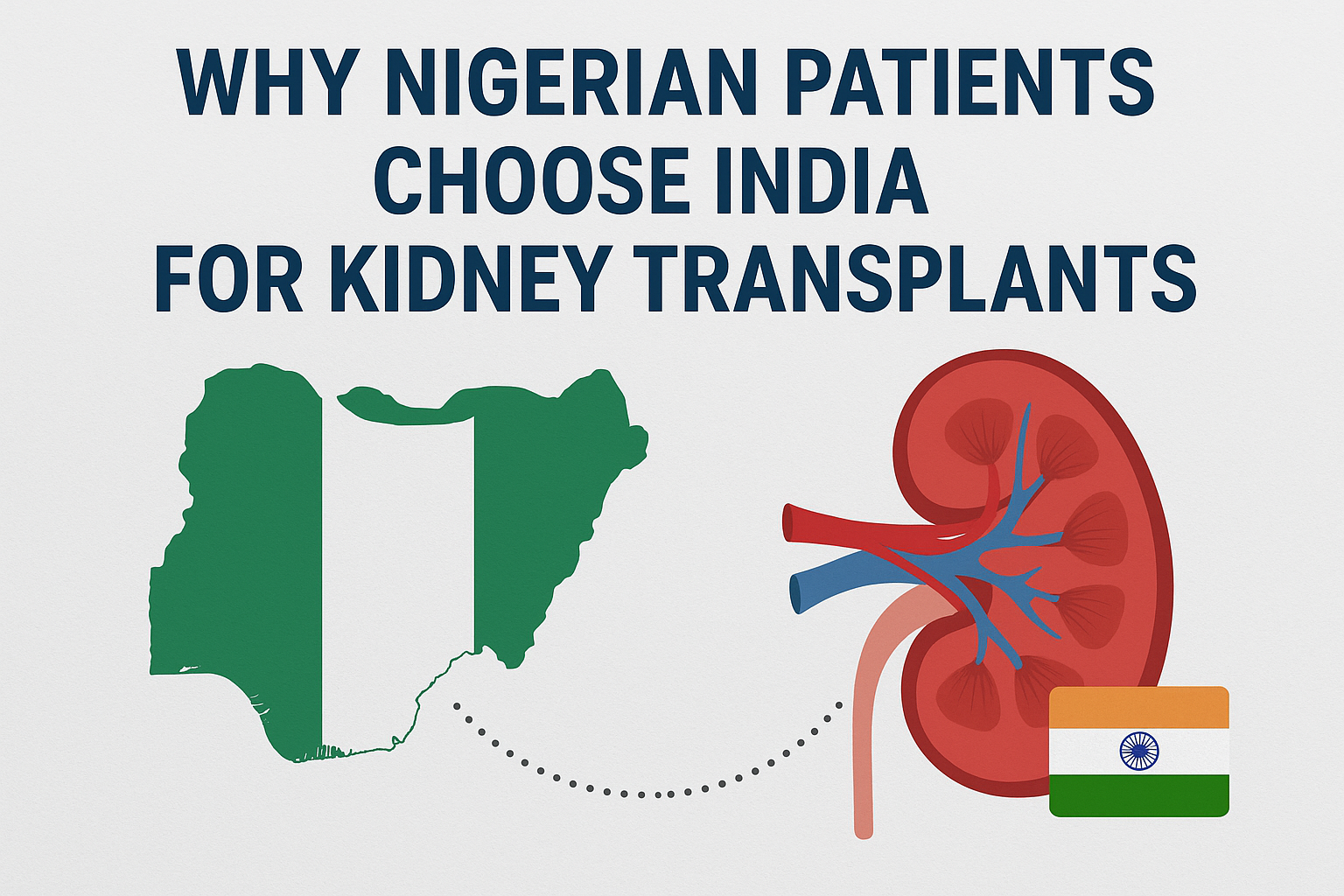
Kidney failure is a growing concern globally, and for many patients, a transplant is the only path to survival. In Nigeria, where access to specialized care and transplant facilities remains limited, patients are increasingly looking beyond borders for life-saving treatment. India, with its world-class medical infrastructure, affordable costs, and high success rates, has emerged as a preferred destination for Nigerian kidney transplant patients. This trend, known as “transplant tourism,” is a complex yet growing phenomenon that brings both hope and challenges.
This blog explores the motivations, concerns, and realities of Nigerian kidney patients travelling to India for transplantation. We’ll delve into healthcare limitations in Nigeria, the appeal of India’s medical system, the obstacles patients face, and the broader ethical implications of this growing cross-border health movement.
Nigeria, Africa’s most populous country, continues to grapple with several healthcare challenges, particularly in the area of nephrology. According to health experts, chronic kidney disease (CKD) affects over 20 million Nigerians. Unfortunately, the infrastructure to support these patients remains underdeveloped.
While dialysis is available in major urban centers, it is often expensive, inconsistent, and inaccessible to those in rural or lower-income communities. Kidney transplantation, a more sustainable long-term solution, is available in only a few government hospitals and private facilities, most of which face issues like limited capacity, lack of qualified personnel, outdated technology, and bureaucratic delays.
Moreover, due to the scarcity of organ donors and the absence of a national organ donation registry, the waiting time for a transplant can be unbearably long. These systemic inadequacies force many Nigerians to consider medical travel as their only viable option for survival. In this context, India has become a beacon of hope.
India has become a global medical tourism hotspot, especially for patients from African countries like Nigeria. The country offers several advantages that make it particularly appealing to kidney transplant patients:
For many Nigerian families, India offers not just hope but a chance at renewed life in a foreign yet welcoming land.
While India presents numerous advantages, the journey is not without its difficulties. Patients and their families face a range of emotional, financial, and logistical challenges:
Families also struggle with the emotional toll of travelling far from home for a high-stakes procedure. Ensuring emotional and psychological support during this journey is critical to the patient’s overall outcome.
Many patients and their families focus heavily on the transplant surgery itself, but post-transplant care is equally crucial to the patient’s survival and quality of life. After a kidney transplant, patients require lifelong immunosuppressive medications, regular check-ups, and lab monitoring to prevent organ rejection and infections.
For Nigerian patients returning from India, accessing this continued care is often a struggle. Local doctors may not be fully aligned with the protocols followed abroad, and the cost or availability of medications can pose significant challenges.
Some patients return home with detailed post-operative instructions but lack a robust support system for ongoing care. This gap can undo the benefits of a successful transplant.
Medical tourism companies and Indian hospitals are now working to bridge this gap by offering remote follow-up services, connecting with local nephrologists, and ensuring medication availability through international courier services. However, more structured collaboration between Indian and Nigerian health systems is needed to make post-transplant care effective and sustainable.
Transplant tourism, especially involving international patients, is fraught with ethical and legal complexities. There have been global concerns about organ trafficking, donor exploitation, and unequal access to care. To curb unethical practices, India has implemented strict laws under the Transplantation of Human Organs Act (THOA).
Nigerian patients must now present:
These protocols are designed to ensure transparency and ethical compliance but can be cumbersome for patients unfamiliar with the process. Medical tourism facilitators play a crucial role in helping patients understand and navigate these regulations.
Ethical transplant tourism is possible when both countries adhere to legal standards, educate patients, and discourage illegal or exploitative arrangements. It’s a shared responsibility between healthcare providers, governments, and facilitators.
The long-term solution to the increasing outflow of patients lies in strengthening Nigeria’s own healthcare infrastructure. While medical tourism offers a short-term lifeline, a sustainable future must include:
At the same time, countries like India must continue to enforce ethical regulations and ensure quality care for all patients, domestic and international. Medical tourism companies also have a role to play in advocating for patient rights, safety, and long-term wellness.
Ultimately, the goal should not just be to offer an escape route for desperate patients, but to build resilient healthcare systems that allow them to thrive at home while offering global collaboration as a supportive pillar.

Written By
Shafiq Ahmad Khan
Founder & CEO
Author
Faster Smarter Medical Tourism in India