Heart disease is no longer a problem only for wealthy nations. Across the world, including Africa, the number of people living with cardiovascular diseases is on the rise. High blood pressure, lifestyle changes, diabetes, and even genetics are making heart problems more common than ever. For many families, the diagnosis of a heart condition feels overwhelming—not just emotionally but also financially.
In Africa, the struggle is even more visible. While doctors and hospitals are doing their best, many patients still face two major challenges: limited access to specialized treatment and the high cost of surgery. Procedures like bypass surgery, valve replacement, or angioplasty often remain out of reach. Families are left with few options, and many patients simply don’t get the treatment they need.
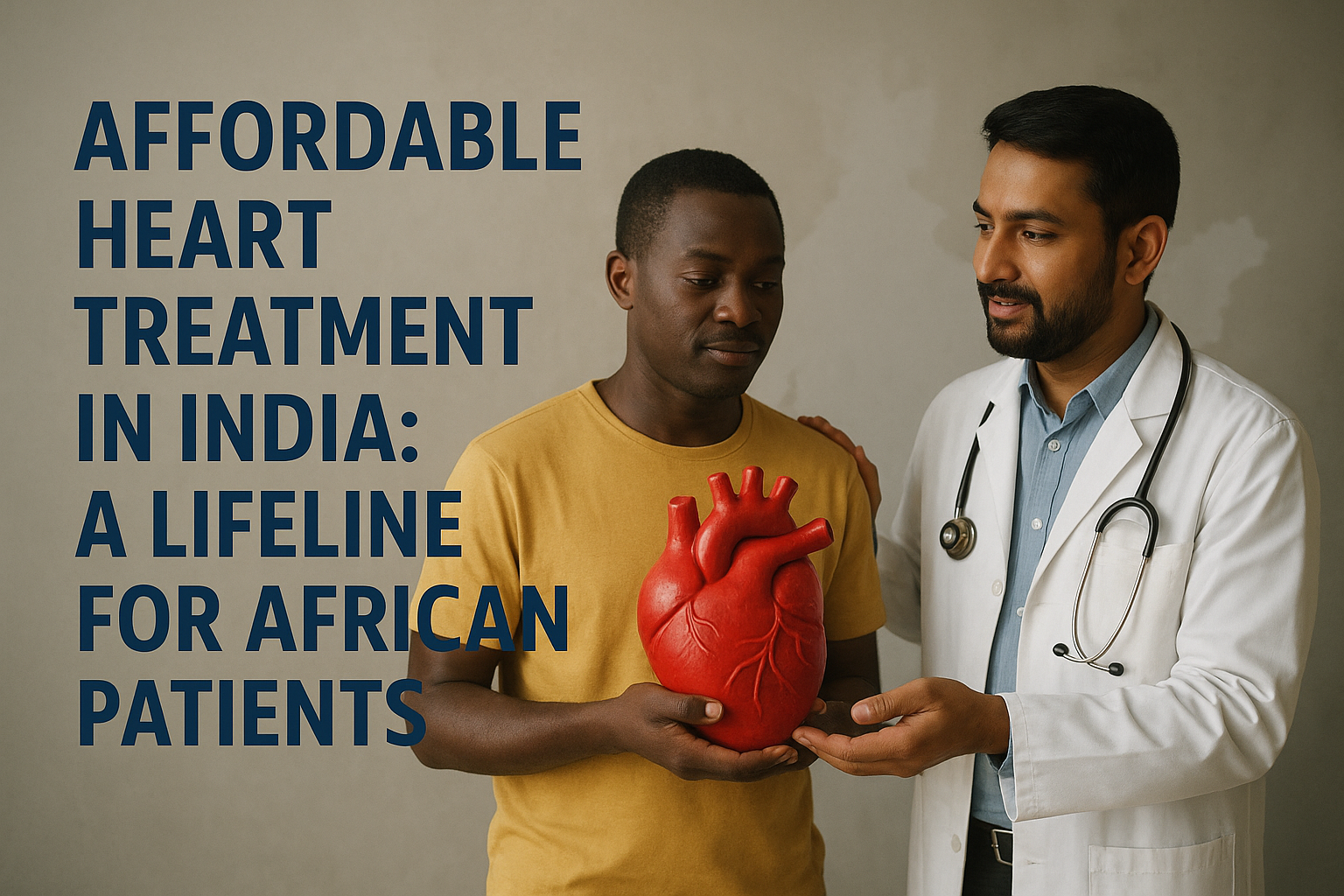
This is where India steps in as a lifeline. Over the past two decades, India has built a global reputation for providing world-class heart treatment at a fraction of the cost seen in Western countries. For African patients, this combination of affordable care, advanced technology, and skilled doctors is nothing short of life-saving.
Think about it this way: what if you could access the same level of care you would find in the US or Europe, but at one-tenth of the price? What if hospitals didn’t just offer cutting-edge treatment but also warmth, cultural understanding, and guidance through every step of the journey? That’s what makes India a beacon of hope for so many African families.
In this blog, we’ll explore:
By the end, you’ll see why “affordable heart treatment in India” isn’t just a medical option—it’s often the difference between despair and a second chance at life.
Cardiovascular disease has become one of the leading causes of death in Africa. According to the World Health Organization, heart disease now kills more people on the continent than infectious diseases like HIV or malaria. This shift is a silent crisis. Families expect to worry about malaria outbreaks or tuberculosis, but not about blocked arteries or heart attacks. Yet that’s the reality for millions today.
So, why is affordable heart treatment such a pressing need?
The sad truth is that many Africans die not because treatment doesn’t exist, but because it’s unaffordable or unavailable locally. Imagine being told your loved one’s heart can be repaired, but the cost is equal to a lifetime of savings—or worse, completely out of reach.
This is why affordable solutions are desperately needed. And this is why so many African patients are looking beyond their borders to countries like India, where quality treatment is both available and affordable.
When you ask African patients why they choose India, their answers often sound the same: “Because India gives us hope.” But let’s break it down more clearly.
Think of it this way: India combines high quality, affordability, and accessibility in a way very few countries can. That’s why every year, thousands of African patients travel to India for life-saving heart procedures.
For many, this journey isn’t just about fixing a health problem—it’s about regaining the chance to live fully, to provide for their families, and to see their children grow up.
One of the most fascinating things about India’s healthcare system is how it manages to deliver top-tier care at lower costs. The question is, how do they do it?
What’s remarkable is that affordability doesn’t mean compromise. Patients still get care from top doctors, in modern hospitals, with global standards of hygiene and safety. India’s model proves that healthcare doesn’t have to be expensive to be excellent.
Even when costs are lower in India, heart treatment is still a significant expense for most African families. That’s where insurance and financial solutions play a critical role.
The good news is that awareness is growing. More African families now understand that insurance can be used internationally, and Indian hospitals are increasingly open to direct billing arrangements. This means fewer delays, less paperwork, and faster access to treatment.
So, what does the journey from Africa to India for heart treatment actually look like? It’s not as complicated as it may sound.
This structured journey reassures patients. They know they won’t be left to figure things out on their own in a foreign country. Instead, they are guided at every step—from visa paperwork to the day they fly back home healthier.
Heart disease doesn’t wait for anyone. For many African families, every day of delay can mean losing a loved one. But India offers something priceless: timely, affordable, and high-quality treatment that saves lives.
The reasons are clear. India combines advanced hospitals, experienced doctors, lower costs, and supportive healthcare models in a way that few countries can. For African patients, it’s not just about fixing a medical problem—it’s about hope, dignity, and the chance to live longer, healthier lives.
So, when we talk about “Affordable Heart Treatment in India,” we’re really talking about a bridge between two continents. A bridge that gives African patients access to life-saving care, and one that continues to grow stronger as more people recognize the possibilities it offers.
If you or a loved one are searching for heart treatment options, India may just be the answer you’ve been hoping for.
Q1. Why do African patients travel to India for heart treatment?
African patients choose India because it offers advanced cardiac care at much lower costs compared to Western countries or private hospitals in Africa. India also has highly experienced heart specialists, shorter waiting times, and international patient support services.
Q2. How much does heart surgery cost in India for foreign patients?
The cost varies depending on the procedure. For example, a bypass surgery in India costs around $5,000–$7,000, compared to $50,000–$100,000 in the US. Even after adding travel and accommodation, India remains the most affordable option.
Q3. Do Indian hospitals provide support for African patients?
Yes. Most top hospitals have international patient departments. They provide visa assistance, translators, airport pickups, affordable accommodation options, and even diet plans suited to African culture.
Q4. Can African insurance plans cover treatment in India?
In some cases, yes. Several African insurance companies now partner with Indian hospitals to allow patients to use their health coverage abroad. It’s best to confirm with your insurer before travel.
Q5. What is the process to get a medical visa from Africa to India?
The process is simple. Patients need an invitation letter from the Indian hospital, along with their medical reports. Indian embassies prioritize medical visas, so approval usually takes just a few days.
Q6. Are Indian cardiac hospitals internationally accredited?
Absolutely. Many hospitals in India are accredited by JCI (Joint Commission International) and NABH (National Accreditation Board for Hospitals), ensuring they meet global standards of safety and quality.
Q7. Is language a barrier for African patients in India?
Not really. English is widely spoken in hospitals. In addition, hospitals often provide translators for French, Swahili, Arabic, and other African languages to ensure smooth communication.

Written By
Shafiq Ahmad Khan
Founder & CEO
Author
Faster Smarter Medical Tourism in India