
Bile duct cancer, also known as cholangiocarcinoma, is a rare but aggressive form of cancer that affects the bile ducts, the thin tubes responsible for carrying bile from the liver to the small intestine. Though it is not as well-known as other types of cancer, bile duct cancer poses a significant health challenge due to its late diagnosis and limited treatment options. Understanding the symptoms, risk factors, and treatment approaches can help individuals detect the disease early and explore the best possible care options.
This blog provides an in-depth look at bile duct cancer, covering its symptoms, risk factors, diagnostic challenges, and treatment options. Additionally, we discuss how patients can manage their condition and find support while navigating this difficult journey.
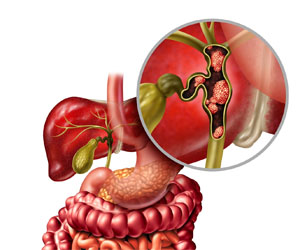
Bile duct cancer originates in the cells that line the bile ducts. It is classified into three types based on its location: intrahepatic (inside the liver), perihilar (where the bile ducts exit the liver), and distal (closer to the small intestine). Each type presents unique challenges in terms of diagnosis and treatment.
The exact cause of bile duct cancer remains unknown, but researchers believe genetic mutations play a significant role in its development. These mutations lead to uncontrolled cell growth in the bile ducts, eventually forming tumors that can spread to nearby organs.
One of the biggest challenges with bile duct cancer is its asymptomatic nature in the early stages. By the time symptoms appear, the disease is often advanced, making it difficult to treat. Understanding the nature of this cancer and staying informed about its risks can play a crucial role in early detection and treatment.
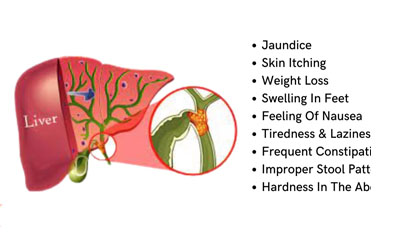
The symptoms of bile duct cancer often mimic those of other liver or digestive conditions, making it difficult to identify early on. Some of the most common symptoms include:
Recognizing these symptoms and seeking medical attention early can improve the chances of early diagnosis and treatment.
Several factors can increase the likelihood of developing bile duct cancer, including:
While not all individuals with these risk factors develop bile duct cancer, being aware of them can help with early detection and prevention strategies.
Diagnosing bile duct cancer is challenging due to its deep location and non-specific symptoms. Physicians use a combination of tests, including:
Early detection remains a major hurdle, but advancements in diagnostic techniques are improving the chances of identifying bile duct cancer in its initial stages.
Treatment for bile duct cancer depends on its stage and location. Options include:
Because bile duct cancer is aggressive, a combination of therapies is often used to improve survival rates and enhance the quality of life for patients.
A bile duct cancer diagnosis can be overwhelming, but support systems and coping strategies can make the journey more manageable. Patients and their families can benefit from:
Building a strong support network and seeking professional guidance can help patients navigate the challenges of living with bile duct cancer.
Bile duct cancer remains a challenging disease due to its late diagnosis and limited treatment options. However, early awareness, advancements in medical research, and multidisciplinary treatment approaches offer hope to patients. Recognizing the symptoms, understanding risk factors, and seeking medical advice promptly can make a significant difference in outcomes. If you or a loved one is facing bile duct cancer, remember that support is available, and ongoing research continues to improve treatment possibilities.

Written By
Shafiq Ahmad Khan
Founder & CEO
Author
Faster Smarter Medical Tourism in India