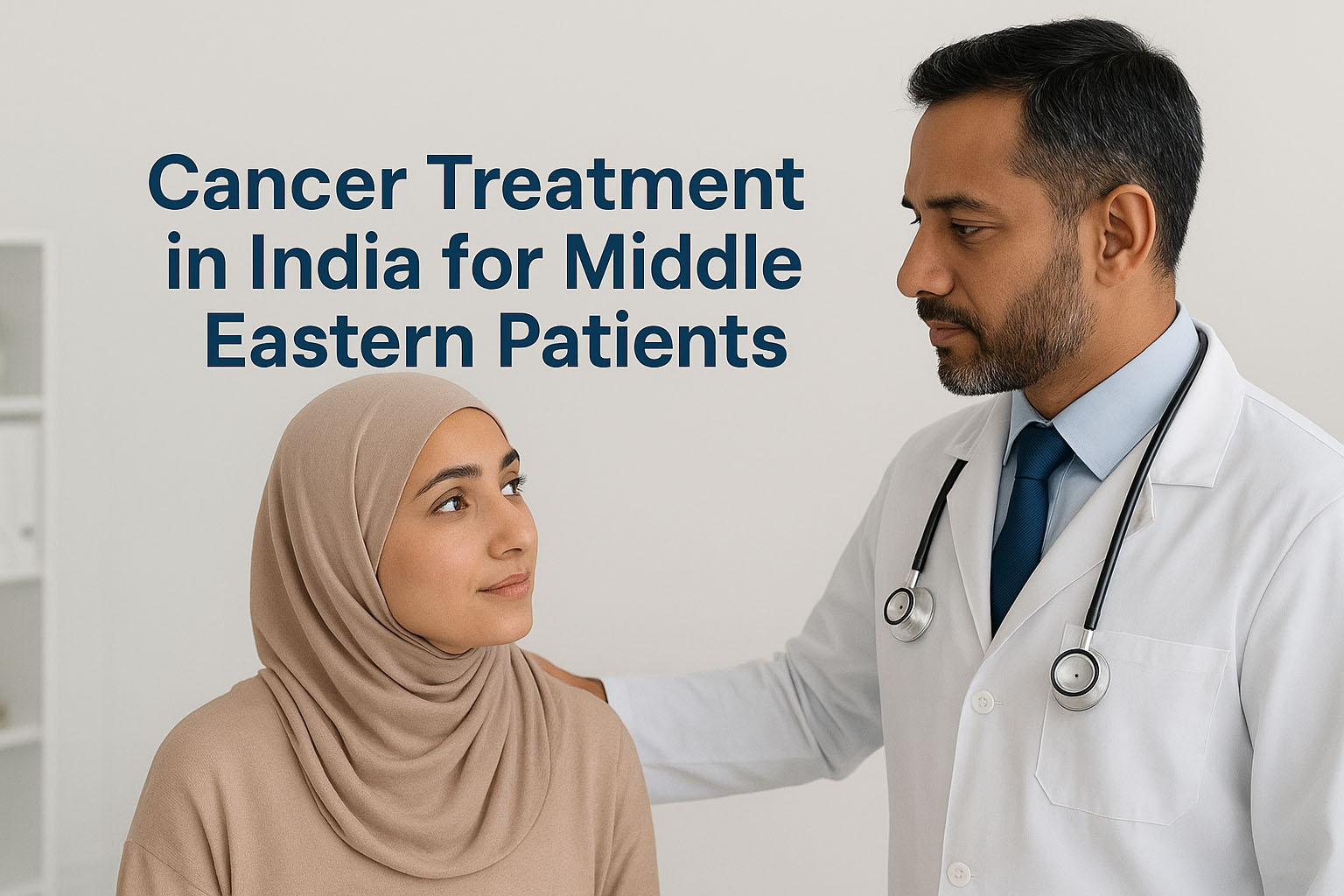
Cancer is one of the most challenging health conditions faced by millions worldwide, and patients often seek the best available treatment options beyond their home countries. For Middle Eastern patients, India has become one of the most trusted destinations for advanced cancer care. Every year, thousands of people from countries like the UAE, Saudi Arabia, Oman, Qatar, Kuwait, and Bahrain travel to India for medical treatment, with cancer care being among the most sought-after specialties.
The growing trend of medical tourism between the Middle East and India is not accidental. It is the result of India’s world-class healthcare infrastructure, internationally trained oncologists, cutting-edge technology, and cost-effective treatment plans that make quality care accessible to patients from abroad. In addition, cultural similarities, language support, and strong government initiatives have further strengthened India’s position as a leading hub for cancer treatment.
This blog explores in detail why India has become the preferred choice for Middle Eastern patients seeking cancer care. From advanced infrastructure and skilled oncologists to affordability and holistic treatment options, we will cover all the reasons that make India a global healthcare destination.
The choice of India by Middle Eastern patients for cancer treatment stems from multiple factors that combine quality, affordability, and accessibility. One of the main reasons is the presence of internationally accredited hospitals that match global standards of care. Many of these hospitals are NABH and JCI certified, ensuring that patients receive treatment comparable to what they would find in Europe or the United States.
Middle Eastern patients also value the cultural proximity and the warm hospitality that India offers. From food preferences to prayer facilities, Indian hospitals are well-equipped to cater to the needs of international patients, ensuring a comfortable healing environment. Another important factor is the shorter waiting time compared to Western countries. In cases of cancer, where time is critical, India offers immediate consultations, diagnostic procedures, and treatment initiation, which is crucial for better outcomes.
Additionally, Indian hospitals have dedicated international patient care departments that assist with travel arrangements, accommodation, and visa support, making the process seamless for Middle Eastern families. This patient-centric approach has built trust and long-term relationships between Indian healthcare providers and Middle Eastern communities.
India has invested heavily in building state-of-the-art medical infrastructure that rivals some of the best cancer hospitals in the world. The country is home to advanced oncology centers equipped with robotic surgery systems, precision radiotherapy machines, immunotherapy labs, and bone marrow transplant units. Hospitals such as Apollo, Fortis, Medanta, Max Healthcare, and Tata Memorial are globally recognized for their oncology departments.
These hospitals use cutting-edge technologies like CyberKnife, Proton Beam Therapy, PET-CT scans, and molecular diagnostics, which allow doctors to detect, stage, and treat cancers with great accuracy. The availability of multidisciplinary tumor boards ensures that each patient’s case is discussed by a panel of specialists including medical oncologists, surgical oncologists, radiologists, and pathologists before finalizing a treatment plan.
For Middle Eastern patients, this level of infrastructure provides confidence and assurance that they are receiving world-class treatment. The fact that these advanced facilities are available at a fraction of the cost compared to Western countries further adds to India’s appeal.
India is home to some of the most respected oncologists in the world. Many have trained and worked in leading cancer institutes in the United States, UK, and Europe before returning to practice in India. This global exposure allows them to bring advanced knowledge and techniques into their practice, giving patients access to the latest treatment protocols.
Indian oncologists are not only skilled in conventional therapies such as surgery, chemotherapy, and radiation but also in newer approaches like targeted therapy, immunotherapy, and precision medicine. Their expertise in managing complex cancer cases and performing high-risk surgeries has positioned India as a global leader in oncology care.
Quality standards in Indian hospitals are also maintained at an international level. Regular audits, strict infection control policies, and adherence to evidence-based treatment protocols ensure safety and effectiveness. For Middle Eastern patients, this commitment to quality is a key reason they place their trust in Indian healthcare providers.
One of the biggest advantages India offers Middle Eastern patients is the affordability of treatment without compromising quality. Cancer treatment in India can cost 60–70% less than in Western countries, and even significantly less compared to private hospitals in the Middle East.
For example, a bone marrow transplant in the US may cost over $200,000, while in India it can be done for around $40,000–$50,000. Similarly, chemotherapy sessions, targeted therapy drugs, and surgical procedures are much more economical in India. This cost difference allows families to manage expenses better while still accessing top-class facilities.
In addition to treatment costs, accommodation, travel, and living expenses in India are also budget-friendly. Many hospitals provide package deals that include surgery, hospitalization, follow-ups, and even lodging for patient attendants. This transparency in pricing helps families plan their medical journey with clarity.
Effective communication plays a vital role in healthcare, and Indian hospitals excel in this area for Middle Eastern patients. English is widely spoken by doctors and healthcare staff, and many hospitals also employ Arabic translators to ensure smooth communication with patients from the Middle East.
Hospitals go the extra mile to make Middle Eastern patients feel at home by providing Arabic-speaking coordinators, menus in Arabic, and cultural support services. This eliminates language barriers and helps patients and their families understand their diagnosis, treatment options, and post-care instructions with clarity.
The ease of communication not only reduces stress but also builds trust, ensuring that patients and families feel comfortable throughout their treatment journey.
Apart from conventional cancer treatment, India also offers holistic care options that integrate Ayurveda, yoga, meditation, and nutritional counseling into the healing process. Many cancer hospitals in India have wellness departments that provide supportive therapies aimed at improving quality of life, managing side effects, and boosting emotional well-being.
Middle Eastern patients often appreciate this holistic approach as it aligns with their cultural values of treating the body, mind, and spirit together. Integrative care also helps patients cope better with the stress and physical strain of cancer treatment, enhancing recovery outcomes.
The combination of modern oncology and traditional wellness practices makes India unique as a cancer care destination. Patients not only receive advanced medical treatment but also holistic support that promotes long-term health and healing.
The Government of India has played a proactive role in making the country a global medical tourism hub. Middle Eastern patients benefit from streamlined medical visa processes that allow them to enter India quickly for treatment. The e-Medical Visa system is easy to apply for online and provides multiple entries with extended duration, which is particularly helpful for long-term cancer treatments.
The government also collaborates with hospitals to ensure international patient departments are well-equipped to provide assistance with documentation, visa extensions, and legal formalities. Additionally, policies are in place to regulate and maintain high-quality standards across private hospitals catering to foreign patients.
This strong government support reassures Middle Eastern patients and their families that India is a safe, reliable, and patient-friendly destination for cancer treatment.
Geographically, India is conveniently located for Middle Eastern patients. With just a few hours of flight time from Gulf countries, India provides quick and easy access to top medical centers. Major cities like New Delhi, Mumbai, Chennai, Hyderabad, and Bangalore are well connected to international airports, ensuring smooth travel for patients and their families.
Airlines offer direct flights between India and major Middle Eastern cities, making the journey comfortable and time-efficient. This proximity is especially beneficial for patients requiring frequent travel for follow-up care or extended treatment cycles.
The availability of affordable accommodations, halal food options, and cultural familiarity further make India a comfortable choice for Middle Eastern patients seeking cancer treatment abroad.

Written By
Shafiq Ahmad Khan
Founder & CEO
Author
Faster Smarter Medical Tourism in India