
For many men, prostate health is something they rarely think about until symptoms start interfering with daily life. Trouble urinating, waking up multiple times at night, or a weak urine stream often get brushed off as normal signs of aging. But here’s the thing: not all prostate problems are the same. Some are benign and manageable, while others can be serious and life-threatening if ignored.
The challenge is that enlarged prostate (BPH) and prostate cancer often share similar symptoms. That overlap causes confusion, anxiety, and in many cases, delayed medical care. Men wait. They hope symptoms will go away. They adapt instead of asking questions. And that delay can make all the difference.
This blog is written to clear that confusion. In simple, straightforward language, we’ll explain what the prostate does, how prostate enlargement differs from prostate cancer, and what symptoms you should never ignore. We’ll repeat what matters, slow things down, and break information into easy-to-digest parts—because understanding your health should never feel overwhelming.
If you or someone you love is experiencing urinary changes, discomfort, or unexplained symptoms, this guide will help you understand what might be going on and when it’s time to see a doctor.
The prostate is a small gland, roughly the size of a walnut, located just below the bladder and in front of the rectum. It surrounds the urethra, the tube that carries urine from the bladder out of the body. While small, the prostate plays a big role in male reproductive health.

Its main job is to produce fluid that nourishes and transports sperm. This fluid mixes with sperm from the testicles to form semen. So yes, the prostate is essential—but its location is what causes trouble when things go wrong.
As men age, the prostate naturally changes. For many, it slowly grows larger over time. This growth isn’t always dangerous, but because the prostate wraps around the urethra, even slight enlargement can lead to urinary problems.
Here’s why prostate issues are so common:
What’s important to understand is this: not all prostate problems mean cancer. In fact, the most common prostate condition in aging men is benign prostatic hyperplasia (BPH), which is non-cancerous.
Still, because prostate cancer also starts in the same gland, symptoms can overlap. That’s why knowing how the prostate works—and how problems begin—matters so much. Awareness leads to action. And action leads to better outcomes.
Benign Prostatic Hyperplasia, commonly known as BPH, is a non-cancerous enlargement of the prostate gland. It’s extremely common, especially as men get older. By age 60, many men experience some degree of prostate enlargement, and by age 80, the majority do.
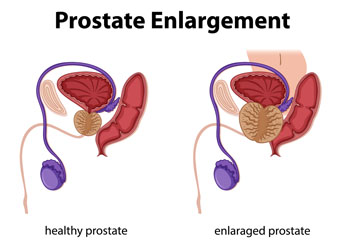
The word “benign” is important here. BPH is not cancer, and it does not increase your risk of prostate cancer. However, it can significantly affect quality of life.
As the prostate enlarges, it presses against the urethra. This pressure restricts urine flow and causes urinary symptoms that gradually worsen over time.
Common symptoms of BPH include:
These symptoms may start mild and become more noticeable over months or years. Many men normalize them, adjusting routines instead of seeking help.
The good news? BPH is highly treatable. Lifestyle changes, medications, and minimally invasive procedures can dramatically improve symptoms. The key is not ignoring them.
BPH may not be life-threatening, but untreated enlargement can lead to complications like urinary retention, bladder infections, and kidney problems. That’s why recognizing symptoms early matters—even when the condition is benign.
Diagnosing prostate enlargement usually begins with a detailed discussion of symptoms. Doctors want to know how often you urinate, whether you wake up at night, and how much symptoms interfere with daily life.
Common diagnostic tests include:
Once BPH is confirmed, treatment depends on symptom severity.
Mild symptoms may only require lifestyle changes such as:
Moderate to severe symptoms may require medication, including:
If medications don’t help, minimally invasive or surgical options may be recommended. These procedures are effective and increasingly safe, with quick recovery times.
The takeaway is simple: prostate enlargement is manageable. You don’t have to live with discomfort. You don’t have to plan your life around bathrooms. Treatment works—when you seek it.
Prostate cancer occurs when abnormal cells in the prostate grow uncontrollably. Unlike BPH, prostate cancer can spread to other parts of the body if not detected early.
Here’s the tricky part: early-stage prostate cancer often causes no symptoms at all. When symptoms do appear, they can look very similar to BPH, which is why screening is so important.
Possible symptoms of prostate cancer include:
Risk factors include age, family history, ethnicity, and lifestyle factors. Men over 50—and earlier for high-risk groups—should take prostate screening seriously.
Prostate cancer ranges from slow-growing forms that may never cause harm to aggressive types that require immediate treatment. Knowing which type you have makes all the difference.
Diagnosis starts with screening. PSA blood tests and digital rectal exams are the first step. If results raise concern, doctors may recommend:
Treatment depends on cancer stage and aggressiveness. Options include:
Early detection saves lives. Prostate cancer caught early has one of the highest survival rates of all cancers. That’s why regular check-ups matter, even when symptoms seem mild—or absent.
Understanding the difference reduces fear and confusion.
Similar symptoms. Very different conditions. Only proper testing can tell the difference.
See a doctor if you experience:
Early evaluation brings peace of mind—and better outcomes.
Fear often comes from not knowing. Understanding prostate health empowers men to act early, ask questions, and choose the right care path.
Knowledge reduces anxiety. Early detection saves lives. And proactive care leads to better health, longer life, and peace of mind.
Your prostate health matters. Don’t ignore it. Don’t delay. Get informed. Get checked.

Written By
Shafiq Ahmad Khan
Founder & CEO
Author
Faster Smarter Medical Tourism in India