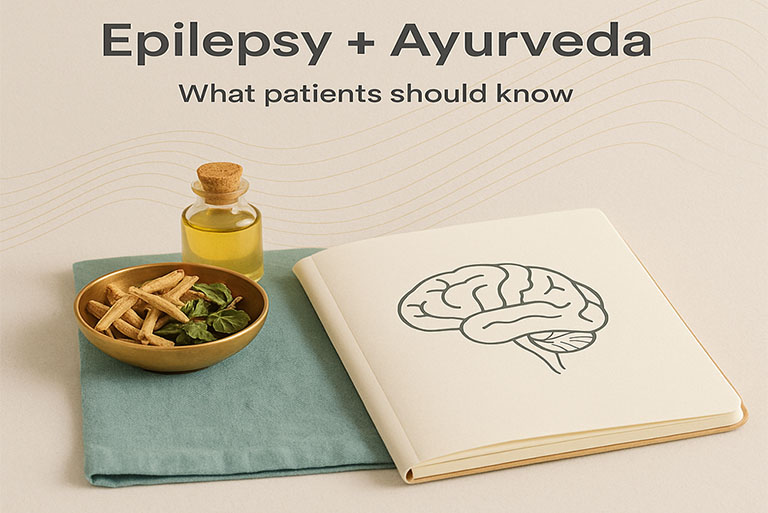
Living with epilepsy is not just about managing seizures. It affects confidence, independence, work, relationships, and mental health. Many patients feel they are constantly planning life around the next possible episode. While modern anti-seizure medications help control symptoms for a large number of people, they do not always address fatigue, anxiety, memory issues, or long-term side effects. This is where interest in Ayurveda for epilepsy management often begins.
Ayurveda is not a quick fix or a miracle cure. It is a traditional medical system that focuses on balance, long-term stability, and strengthening the body and mind together. Patients usually turn to Ayurveda when they want:
Today, We will walk through how Ayurveda views epilepsy, what a responsible Ayurvedic approach looks like, what to avoid, and how to make informed decisions. The goal is clarity, not hype. If you are considering Ayurveda as part of your epilepsy journey, this guide will help you ask the right questions and set realistic expectations.
Before discussing herbs, therapies, or lifestyle changes, one thing must be clear: epilepsy is a serious neurological condition, and seizures can be life-threatening if poorly managed. Ayurveda can play a supportive role, but it should never replace prescribed anti-seizure medication without medical supervision.

Here is the reality many patients need to hear:
Some clinics and online sources claim complete cures. This is where patients get hurt. Sudden medication withdrawal, aggressive detox therapies, or unverified herbal combinations can trigger more frequent or severe seizures.
A responsible mindset looks like this:
If someone promises guaranteed seizure freedom or asks you to stop medication immediately, that is a red flag. True healing systems respect safety first. Ayurveda, when practiced correctly, emphasizes stability, nourishment, and balance rather than extreme interventions.
In Ayurveda, epilepsy is traditionally referred to as Apasmara. Rather than focusing only on the brain, Ayurveda looks at how the mind, nervous system, digestion, and lifestyle interact.
According to Ayurvedic understanding:
Ayurveda explains epilepsy through imbalance in three energies, or doshas:
Most epilepsy cases involve Vata imbalance, sometimes combined with Pitta. This explains why many patients experience:
Ayurveda does not see seizures as isolated events. It sees them as a signal that the body-mind system is overstimulated, undernourished, or poorly regulated.
A proper Ayurvedic approach to epilepsy is slow, personalized, and cautious. It starts with understanding the individual, not the diagnosis alone.
A good practitioner will usually:
Common goals of Ayurvedic support include:
Instead of aggressive detox, early care often emphasizes:
This approach may not sound dramatic, but it is often where patients notice real improvement in daily functioning. Ayurveda works best when it builds stability first, not when it tries to force change.
Lifestyle changes are one of the safest and most effective aspects of Ayurveda for epilepsy support.
Common recommendations include:
Practices that often help:
These habits support the nervous system and reduce triggers such as stress and sleep deprivation.
Herbs are powerful. That is why they must be used carefully.
Commonly discussed herbs include:
Important points:
Never self-prescribe. Always consult a qualified practitioner who understands epilepsy.
Panchakarma is often misunderstood. While it can be beneficial in some conditions, it is not suitable for every epilepsy patient.

Strong detox therapies can destabilize Vata and trigger seizures. If considered at all, it should be:
Many patients do better without intensive detox procedures.
Progress does not always mean seizure-free.
Positive signs include:
These changes matter. They often improve quality of life even when seizures persist.
Choosing the right Ayurvedic practitioner for epilepsy support starts with looking for credibility, experience, and a structured treatment approach. Reputed wellness centers like Veda5 and Focuz Ayurcenter focus on personalized care, where treatment plans are designed after detailed consultations, lifestyle assessments, and understanding the patient’s medical history. These centers combine classical Ayurvedic therapies, herbal formulations, dietary guidance, and stress management practices under the supervision of qualified practitioners. Just as important, they maintain transparency, patient education, and coordination with modern medical care when needed, making them trusted choices for those seeking supportive Ayurvedic care for epilepsy in a safe and holistic environment.
Choose carefully. Look for:
Avoid practitioners who:
A good practitioner will respect both systems and prioritize your safety.
Final thought: Ayurveda can be a meaningful support system for epilepsy when approached with realism, patience, and medical responsibility. The goal is balance, stability, and better daily living—not shortcuts.

Written By
Shafiq Ahmad Khan
Founder & CEO
Author
Faster Smarter Medical Tourism in India