
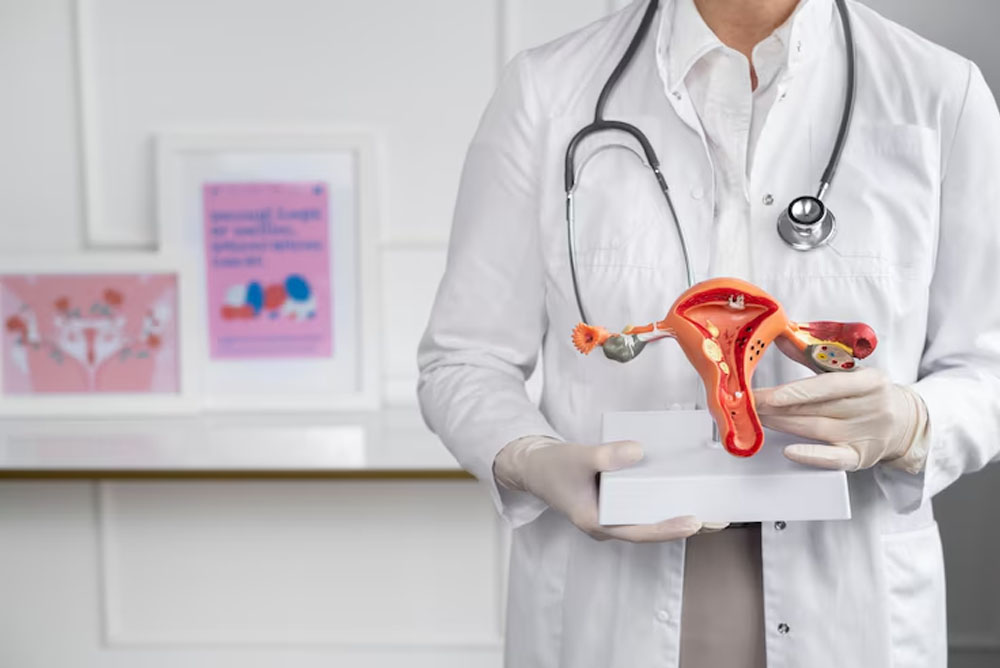
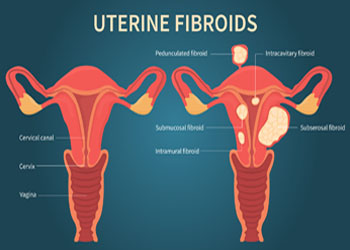
Uterine fibroids, also known as leiomyomas or myomas, are non-cancerous growths that develop within or on the uterus. They are quite common, especially among women of reproductive age. While the exact cause of fibroids is not fully understood, hormonal fluctuations—particularly in estrogen and progesterone—play a significant role in their development and growth. Genetics may also contribute, as fibroids often run in families.
Fibroids vary in size, number, and location. Some may be as small as a seed, while others can grow large enough to distort and enlarge the uterus. Common symptoms include heavy menstrual bleeding, prolonged periods, pelvic pain or pressure, frequent urination, and in some cases, fertility issues. However, many women with fibroids may not experience any symptoms at all and only discover them during routine pelvic exams or imaging tests.
Despite being benign, fibroids can impact a woman’s quality of life depending on their size and symptoms. While medications can help manage symptoms temporarily, surgical options are often considered when symptoms are severe or if fibroids interfere with fertility. One of the most common surgical solutions for fibroids is myomectomy, a procedure that removes fibroids while preserving the uterus.
Myomectomy is a surgical procedure specifically designed to remove uterine fibroids while leaving the uterus intact. This approach is especially beneficial for women who wish to maintain their fertility or avoid a hysterectomy. Unlike a hysterectomy, which involves the complete removal of the uterus, myomectomy targets only the fibroids, making it a uterus-sparing option.
The procedure is often recommended for women who experience significant symptoms that affect their daily life, such as intense pelvic pain, heavy menstrual bleeding, or complications with conception. Myomectomy can significantly improve these symptoms and increase the chances of a successful pregnancy.
Depending on the size, number, and location of the fibroids, the surgeon may choose among different myomectomy techniques. Recovery time, risks, and outcomes can vary accordingly. It’s essential to have a detailed discussion with your healthcare provider to determine if myomectomy is the best option for your unique situation.
There are three main types of myomectomy procedures: abdominal (open) myomectomy, laparoscopic myomectomy, and hysteroscopic myomectomy. Each has specific indications based on the characteristics of the fibroids.
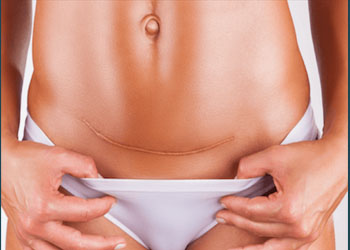
1. Abdominal Myomectomy: This traditional method involves an open surgery through an incision in the lower abdomen. It is typically used when there are large or numerous fibroids embedded deep within the uterine wall. While the recovery time is longer, it allows the surgeon to remove fibroids that may not be accessible through minimally invasive techniques.
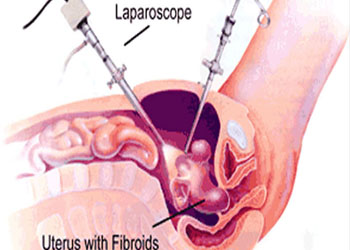
2. Laparoscopic Myomectomy: This minimally invasive option uses small incisions and specialized tools, including a camera, to remove the fibroids. It is ideal for smaller and fewer fibroids and offers a quicker recovery time and less postoperative discomfort compared to an open procedure.
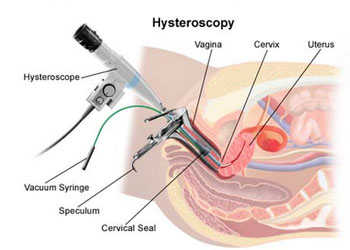
3. Hysteroscopic Myomectomy: In this procedure, no incisions are made. Instead, the surgeon accesses the fibroids through the vagina and cervix using a hysteroscope. It is best suited for fibroids located inside the uterine cavity (submucosal fibroids).
Choosing the right procedure depends on various factors, including your symptoms, reproductive goals, and overall health. A gynecologist will help determine the most suitable approach based on imaging studies and your medical history.
Before undergoing a myomectomy, your doctor will guide you through a thorough preoperative evaluation to ensure the procedure is safe and effective. This preparation phase involves several steps, including medical assessments, imaging studies, and discussions about the surgical plan.
You will likely undergo a pelvic ultrasound or MRI to map the location, size, and number of fibroids. Blood tests will also be performed to assess your general health, hemoglobin levels, and readiness for surgery. If you are anemic due to heavy bleeding, your doctor may prescribe iron supplements or medications to improve your condition before surgery.
Medications such as gonadotropin-releasing hormone (GnRH) agonists may be given in the weeks leading up to surgery to shrink the fibroids and reduce bleeding during the procedure. Additionally, your healthcare provider will discuss the type of anesthesia that will be used, the surgical method selected, and potential risks and benefits.
It’s also essential to plan for recovery by arranging time off work, support at home, and any necessary supplies for postoperative care. Preparing mentally and emotionally can ease anxiety and help you approach the surgery with confidence and clarity.
On the day of surgery, you will be asked to fast for several hours beforehand. After being admitted to the hospital, you will be prepped for the procedure and administered anesthesia. The type of anesthesia used (general or spinal) will depend on the surgical approach.
The duration of the surgery varies depending on the number and size of fibroids and the chosen technique. In an open myomectomy, the surgeon makes a horizontal or vertical incision in the abdomen to access the uterus. In laparoscopic procedures, several small incisions are made to insert instruments and a camera. For hysteroscopic myomectomy, a hysteroscope is inserted through the cervix to remove fibroids from the uterine cavity.
After the fibroids are removed, the uterine muscle is repaired with sutures. The incisions are then closed, and you are moved to a recovery room for monitoring as the anesthesia wears off. Most patients undergoing laparoscopic or hysteroscopic myomectomy can go home the same day or within 24 hours, while those having an abdominal myomectomy may require a longer hospital stay.
Recovery from myomectomy depends largely on the type of procedure performed. In general, abdominal myomectomy requires the longest recovery time, often 4 to 6 weeks. Laparoscopic myomectomy usually involves a shorter recovery of 2 to 4 weeks, while hysteroscopic myomectomy may only take a few days.
During recovery, it’s normal to experience some pain, fatigue, and light vaginal bleeding. Your doctor will prescribe medications for pain management and may recommend stool softeners to prevent straining. Avoiding heavy lifting, strenuous activity, and sexual intercourse during the initial recovery phase is important to promote healing.
Follow-up appointments are essential to monitor your progress and ensure that your uterus is healing properly. Most women can gradually return to their normal activities based on their comfort and doctor’s advice.
Maintaining a healthy lifestyle with proper nutrition and hydration supports healing. Emotional support from friends and family also plays a significant role in recovery, especially for women who may be coping with the implications of surgery on fertility or body image.
As with any surgical procedure, myomectomy carries potential risks and complications. Common risks include bleeding, infection, scarring, and damage to nearby organs. In some cases, a blood transfusion may be needed due to heavy blood loss during surgery.
There is also a small risk of fibroid recurrence, as myomectomy does not prevent new fibroids from developing. The likelihood of recurrence depends on various factors, including age, genetics, and the initial number and size of fibroids.
Despite these risks, myomectomy is generally considered a safe and effective treatment for symptomatic fibroids. Most women experience significant relief from their symptoms and improved fertility outcomes following surgery.
Success rates vary depending on the surgical technique, the skill of the surgeon, and individual health factors. Consulting with a qualified gynecologic surgeon and following their guidance throughout the process increases the likelihood of a successful outcome.
Deciding on the right treatment for uterine fibroids is a personal journey that depends on many factors, including the severity of symptoms, desire for future fertility, age, and overall health. While myomectomy offers an excellent uterus-sparing solution, it is not the only option available.
Other treatment methods include medication, hormonal therapy, uterine artery embolization (UAE), and in some cases, hysterectomy. Each option has its own set of benefits and limitations. A detailed discussion with your healthcare provider can help you weigh the pros and cons based on your specific needs and goals.
Being informed empowers you to make confident decisions. Take the time to ask questions, seek second opinions if necessary, and consider both short-term relief and long-term wellness. Whether you choose myomectomy or another approach, the goal is to improve your quality of life and help you feel your best moving forward.

Written By
Shafiq Ahmad Khan
Founder & CEO
Author
Faster Smarter Medical Tourism in India