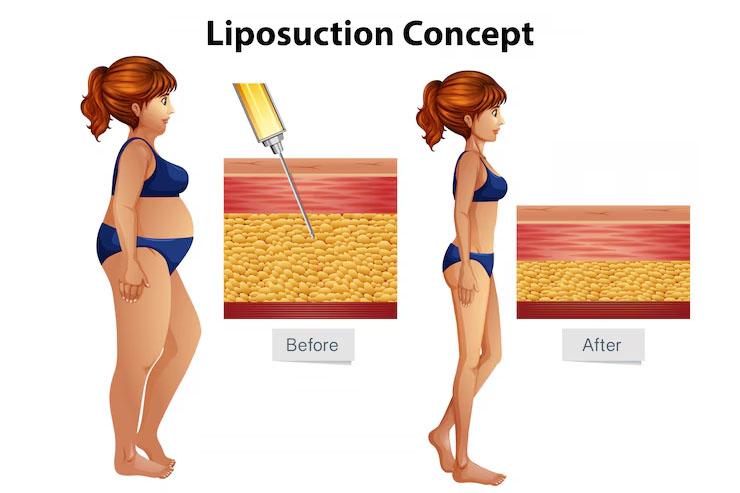
Liposuction is one of the most popular cosmetic procedures worldwide, helping individuals achieve their desired body shape by removing stubborn fat deposits. While it is not a weight-loss solution, liposuction effectively contours the body by targeting fat in specific areas such as the abdomen, thighs, arms, and back.
Liposuction works by suctioning out fat cells from under the skin through a thin tube called a cannula. The procedure is often combined with other body sculpting techniques to enhance the results. In recent years, advancements in technology have made liposuction safer and more effective, with reduced downtime and improved patient satisfaction.
Despite its popularity, liposuction is not for everyone. It is best suited for individuals who are close to their ideal weight but struggle with localized fat deposits that do not respond to diet and exercise. Understanding the procedure, its risks, and benefits can help you make an informed decision about whether liposuction is right for you.
Liposuction has evolved significantly, with various techniques available to enhance precision, minimize discomfort, and improve recovery. Here are some of the most commonly used techniques:
Tumescent liposuction is the most commonly performed method. It involves injecting a large amount of tumescent fluid (a mixture of saline, lidocaine, and epinephrine) into the fat tissue before suctioning it out. This fluid helps reduce bleeding, minimize pain, and make fat removal more efficient.
UAL uses ultrasound waves to break down fat cells before they are removed. This technique is particularly useful for areas with dense fat, such as the back or male chest. It allows for smoother results and is often used for high-definition body contouring.
PAL involves a vibrating cannula that helps break down fat cells more easily, making the suctioning process smoother and reducing strain on the surgeon. This technique is effective for removing large volumes of fat with precision and minimal tissue trauma.
Smartlipo™ uses laser energy to liquefy fat before it is removed. This method also promotes collagen production, leading to tighter skin post-procedure. It is an excellent option for patients who want mild skin tightening along with fat reduction.
Liposuction is not a one-size-fits-all procedure. The ideal candidate should be in good health, within 30% of their ideal weight, and have firm, elastic skin. If you have persistent fat deposits despite a healthy lifestyle, liposuction can help refine your contours.
Factors such as medical history, lifestyle, and expectations play a significant role in determining whether liposuction is the right choice for you. A consultation with a board-certified plastic surgeon will help assess your suitability and set realistic expectations.
Preparation is key to a successful liposuction procedure. Your surgeon will provide specific instructions on pre-operative care, including dietary guidelines, medication adjustments, and lifestyle changes.
Staying hydrated, maintaining a stable weight, and quitting smoking (if applicable) can significantly improve your healing process and overall results.
On the day of your surgery, you will undergo anesthesia (local or general, depending on the extent of the procedure). The surgeon will make small incisions, insert the cannula, and carefully remove the fat. The entire process can take between one to three hours.
After surgery, you will be monitored before being discharged. Some patients may experience mild discomfort, swelling, and bruising, but these effects subside over time.
Post-operative care is crucial for achieving the best results. Wearing compression garments, following your surgeon’s instructions, and avoiding strenuous activities will help speed up recovery.
Swelling may take several weeks to subside, and final results become visible within three to six months. Staying patient and maintaining a healthy lifestyle will enhance your body’s healing process.
Liposculpture is a specialized form of liposuction that removes excess fat and sculpts the body to create a more defined and contoured shape. Like any cosmetic procedure, it comes with both advantages and potential risks.
Liposuction permanently removes fat cells, but new weight gain can affect your results. Maintaining a balanced diet, regular exercise, and hydration are key to sustaining your body’s new contours.
Adopting a healthy lifestyle ensures that you enjoy long-term benefits and continue feeling confident in your appearance.
Liposuction can be a life-changing procedure for those struggling with stubborn fat pockets. By understanding the techniques, risks, and benefits, you can make an informed decision about whether this cosmetic surgery is right for you. With proper care and realistic expectations, liposuction can help you achieve the sculpted look you desire while boosting your self-confidence.

Written By
Shafiq Ahmad Khan
Founder & CEO
Author
Faster Smarter Medical Tourism in India